

Dandy Clear Aligners: What to Know Before Straightening Your Smile
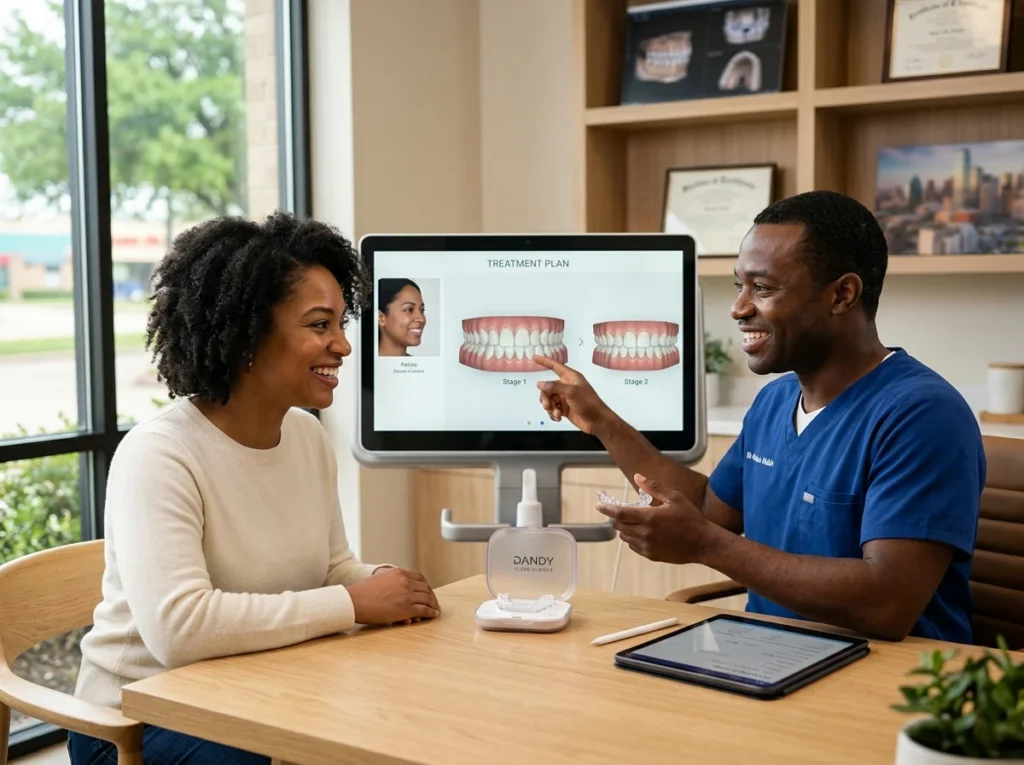
If you have been researching discreet ways to straighten teeth, you may have come across Dandy clear aligners through a dental office or treatment plan discussion. Clear aligners have become popular because they are removable, low-profile, and designed for everyday adults and teens who want orthodontic movement without traditional brackets and wires.
Before you begin, it is worth understanding what Dandy is, how aligner therapy works in a dental setting, who makes a good candidate, and what can affect your final result. The best outcomes come from a combination of smart digital planning, clinical oversight, excellent patient compliance, and realistic expectations.
How Modern Clear Aligner Therapy Works
Clear aligners are custom-made trays that apply controlled pressure to teeth over time. Each tray is slightly different from the one before it, guiding teeth through a planned sequence of movements. Instead of tightening wires, your provider gives you a series of aligners and instructs you when to switch to the next set, often every one to two weeks depending on the case.
Dandy clear aligners are typically used through a dental practice rather than as a direct-to-consumer mail-order option. That distinction matters. When a dentist or orthodontic provider is involved, they can evaluate your gums, bone support, bite, restorations, jaw function, and overall oral health before treatment starts. This helps identify problems that may not be obvious from a photo or digital scan alone.
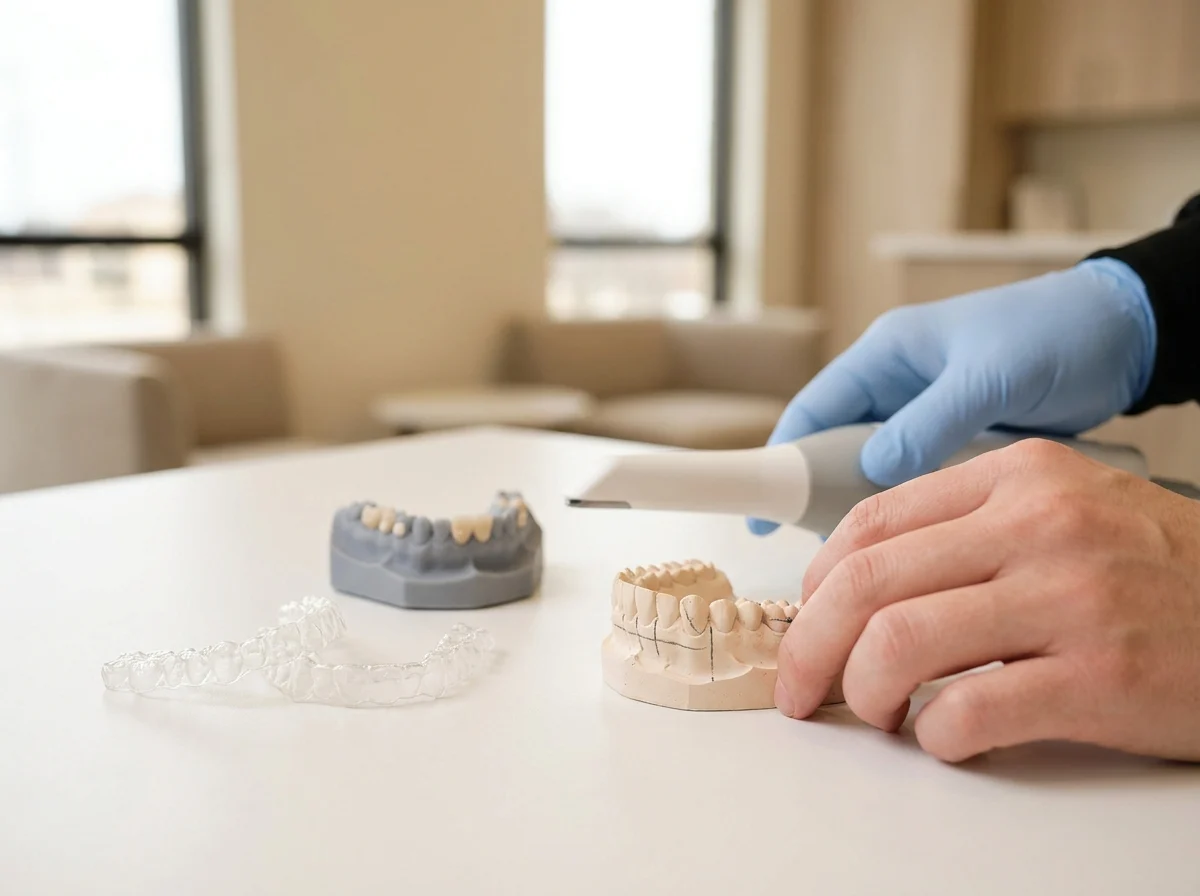
Most clear aligner treatment begins with a digital scan or impression of your teeth. The provider uses that information to create a treatment plan that maps how each tooth should move. You may see a digital preview, but that preview is not a guarantee. Teeth are living structures surrounded by bone and ligaments, so they do not always move exactly as software predicts. Follow-up appointments and refinements help close the gap between the plan and real-life biology.
Clear aligners can address many mild to moderate alignment concerns, including crowding, spacing, rotated teeth, and some bite issues. More complex orthodontic needs may still require braces, hybrid treatment, or specialist care. The goal is not just straighter front teeth. A stable, healthy bite is often the difference between a smile that looks good briefly and one that functions well for years.
What Makes Dandy Different From Mail-Order Aligners
Dandy is best understood as a dental technology and lab partner for practices. If your dentist offers Dandy clear aligners, the treatment is still prescribed and monitored by your provider. Dandy may support the digital workflow, aligner manufacturing, treatment planning tools, and communication between the practice and lab, while your clinician remains responsible for evaluating whether the plan is appropriate for your mouth.
This provider-led model can be especially valuable because orthodontic movement is not only cosmetic. Moving teeth without checking periodontal health, cavities, root positions, or bite forces can create problems. For example, a patient with untreated gum disease may be at greater risk for recession or mobility if teeth are moved too aggressively. A patient with worn enamel or jaw pain may need a bite-focused plan rather than simple cosmetic alignment.
Another difference is accountability during treatment. If a tray does not fit, a tooth stops tracking, or the bite feels off, your dental team can examine you and decide what to do next. That might include rescanning, adding attachments, adjusting wear time, polishing tight contacts, or ordering refinement aligners. With remote-only models, patients may have fewer opportunities for hands-on troubleshooting.

This does not mean every provider-led aligner plan is automatically ideal. The quality of your experience still depends on diagnosis, treatment design, communication, and compliance. Ask how often you will be seen, what happens if refinements are needed, and whether the quoted fee includes retainers. The technology is important, but the clinical decision-making behind it is even more important.
Who Is a Good Candidate for Dandy Clear Aligners?
A good candidate usually has healthy teeth and gums, a manageable level of crowding or spacing, and the discipline to wear aligners as directed. Most aligner systems require about 20 to 22 hours of daily wear. That means trays should only be removed for eating, drinking anything other than water, brushing, and flossing. If aligners are left out too often, teeth may lag behind the plan and trays may stop fitting correctly.
Clear aligners may work well for people who want to close small gaps, improve mildly crooked front teeth, correct relapse after previous braces, or make their smile easier to clean. Adults who wore braces as teenagers and stopped wearing retainers often fall into this category. In these cases, treatment may be relatively straightforward, though every mouth needs an exam to confirm.
More complicated cases require extra caution. Significant bite discrepancies, severe crowding, impacted teeth, skeletal jaw problems, or teeth that need major vertical movement may be harder to treat with aligners alone. Attachments, elastics, or interproximal reduction may expand what aligners can do, but there are limits. Your dentist may recommend an orthodontic consultation if the case is beyond the scope of general aligner treatment.
Oral health is also a major factor. Active cavities, inflamed gums, heavy tartar buildup, or untreated periodontal disease should be managed before teeth are moved. The National Institute of Dental and Craniofacial Research explains that gum disease can damage the tissues that support teeth, which is why a periodontal evaluation matters before orthodontic movement begins.
The Treatment Process From Consultation to Retainers
The first step is usually a consultation. Your provider will review your goals, examine your teeth, evaluate your bite, and discuss whether clear aligners are appropriate. X-rays may be taken to assess bone levels, roots, wisdom teeth, cavities, and hidden dental concerns. A digital scan may then be used to create a three-dimensional model of your teeth.
Once the treatment plan is designed, your provider may show you a simulation of expected movement. This is the time to ask detailed questions. Which teeth are moving? Will attachments be placed? Is any enamel polishing or interproximal reduction recommended? How many aligners are expected? What bite changes are being attempted? A good plan should make sense to you, not just look appealing on a screen.
Attachments, IPR, and refinements
Attachments are small tooth-colored shapes bonded to certain teeth to help aligners grip and move them more effectively. They are common and usually temporary. While they can make aligners slightly more visible, they often improve precision. Some patients also need interproximal reduction, often called IPR, which is careful polishing between teeth to create tiny amounts of space. When done properly and conservatively, it can help relieve crowding without extractions.
Refinements are additional aligners used after the initial series if teeth need more movement. They are not necessarily a sign that treatment failed. In fact, refinements are common because teeth vary in how they respond. What matters is whether your provider monitors progress and adapts the plan when needed.
After active treatment, retainers are essential. Teeth naturally tend to shift over time, especially after orthodontic movement. Retainers hold the final position while bone and ligaments stabilize. Many patients are instructed to wear retainers full time at first, then nightly long term. The American Association of Orthodontists notes that retainers are needed after braces or aligners because teeth can move after treatment ends.
Benefits Patients Often Appreciate
The most obvious benefit is appearance. Clear aligners are far less noticeable than metal braces, which can make treatment feel easier in professional, social, or school settings. They are also removable, so you can eat popcorn, apples, salads, and other foods without worrying about broken brackets or trapped wires.
Hygiene is another advantage. Because the trays come out, you can brush and floss normally instead of working around fixed appliances. For patients with crowded teeth, alignment may also make long-term cleaning easier by reducing plaque-trapping overlaps. Many people also like the predictability of staged treatment, since each aligner has a defined purpose and progress can be checked against the plan.
Limitations and Daily Responsibilities
Clear aligners are convenient, but they are not effortless. You need to wear them consistently, keep them clean, and store them safely when eating. Leaving trays wrapped in a napkin is a classic way to lose them.
Some discomfort is normal when switching to a new aligner. Speech may feel slightly different for a few days, and attachments can create rough spots until your cheeks adjust.
Questions to Ask Before You Commit
Before starting Dandy clear aligners, ask what dental problems must be addressed first, how long treatment is expected to take, and what result is realistically achievable.
It is also wise to ask how progress will be monitored. Will you have in-office visits, remote check-ins, or both? Who reviews fit issues? What happens if teeth do not track as planned?
Final Thoughts on Choosing Clear Aligners Wisely
Dandy clear aligners can be an effective, discreet option when they are used for the right case and supervised by a qualified dental provider. The best experience starts with a complete exam, a thoughtful treatment plan, and honest discussion about limitations.
If you are considering aligners, focus on health first and cosmetics second. A straight smile should also be stable, comfortable, and easy to maintain. With good planning, consistent wear, and lifelong retainer use, clear aligner treatment can be a meaningful investment in both your confidence and your oral health.
Need help with Dandy Clear Aligners: What to Know Before Straightening Your Smile?